The Three Little Pigs Story PDF: A Comprehensive Guide
Numerous digital versions of this classic folktale are readily available as PDFs, offering convenient access to the story of the three little pigs and the wolf․
Origins and History of the Tale
The enduring tale of “The Three Little Pigs” boasts a rich history, tracing its roots back to European folklore․ While pinpointing a single origin proves challenging, variations of the story have circulated for centuries, appearing in oral traditions across diverse cultures․ Early documented versions emerged in the 19th century, with tales collected by folklorists like Joseph Jacobs, who included it in his English Fairy Tales (1890)․
Interestingly, the story wasn’t always about pigs! Some earlier iterations featured wolves attempting to trick and devour other animals․ The shift to pigs likely occurred due to their association with domesticity and vulnerability, amplifying the moral lesson․ The narrative’s core themes – diligence, planning, and the consequences of laziness – resonate universally, contributing to its lasting appeal․ The tale’s simplicity and memorable characters have cemented its place as a beloved children’s classic, continually retold and adapted across generations․
Early Versions and Folklore
Before the widely recognized version featuring pigs, numerous folktales shared similar motifs․ These early narratives often involved a cunning predator attempting to outsmart and consume vulnerable prey․ Variations existed across Europe, with different animals taking center stage – sometimes wolves targeting kids (young goats), or foxes preying on other livestock․
These ancestral tales frequently emphasized the importance of cleverness and preparedness․ The construction of increasingly sturdy homes served as a symbolic representation of resilience against adversity․ The wolf’s repeated attempts to gain entry, often through trickery, highlighted the dangers of naiveté․ Joseph Jacobs’ compilation played a crucial role in standardizing the story, solidifying the pig protagonists and the iconic straw, stick, and brick houses․ However, recognizing the broader folkloric context reveals a tapestry of interconnected narratives, demonstrating the tale’s deep roots in oral tradition․
The Moral of the Story: Diligence and Planning
The enduring popularity of “The Three Little Pigs” stems from its potent moral lesson: the value of hard work and foresight․ The story vividly contrasts the consequences of impulsivity and laziness with the rewards of diligent effort․ The first two pigs, prioritizing speed and ease, suffer the consequences of their poorly constructed homes, becoming victims of the wolf’s persistence․
Conversely, the third pig’s dedication to building a robust brick house symbolizes the benefits of careful planning and perseverance․ His proactive approach not only safeguards his own well-being but also provides refuge for his siblings․ The narrative underscores that investing time and energy in solid foundations – both literally and figuratively – yields long-term security․ It’s a timeless message, resonating with children and adults alike, promoting the importance of responsible decision-making and proactive preparation for future challenges․
Analyzing the Three Little Pigs Story
Delving into the narrative reveals compelling character dynamics and symbolic representations, enriching our understanding of this beloved tale and its lasting impact․
Character Analysis: The Three Pigs
The three little pigs represent distinct approaches to life and work ethic, forming the core of the story’s instructive message․ Each pig’s personality directly influences their choices in building a home, ultimately determining their fate when confronted by the wolf․
Their individual characteristics aren’t deeply explored, serving primarily as archetypes․ However, the contrast between them is stark and purposeful․ The story utilizes these differences to highlight the importance of diligence, foresight, and planning․
The pigs’ actions aren’t merely about constructing shelters; they symbolize broader life lessons about responsibility and the consequences of prioritizing ease over security․ The narrative structure emphasizes that shortcuts often lead to vulnerability, while sustained effort yields lasting protection․
Ultimately, the pigs’ journey embodies a simple yet powerful moral: preparation and hard work are essential for navigating life’s challenges and achieving long-term success․
The First Little Pig: Impulsivity and Laziness
The first little pig embodies impulsivity and a distinct lack of diligence․ He prioritizes speed and convenience, choosing to construct his house from straw – the quickest and easiest material available․ This decision reflects his unwillingness to invest time and effort into building a secure and lasting shelter․
His character serves as a cautionary tale, demonstrating the dangers of prioritizing immediate gratification over long-term safety․ The straw house, while swiftly built, offers minimal protection against the wolf’s threats, highlighting the consequences of his laziness․
This pig’s actions aren’t driven by malice, but rather by a short-sighted perspective․ He fails to anticipate potential dangers and underestimates the importance of a robust defense․
Consequently, his vulnerability underscores the story’s central theme: that shortcuts and a lack of preparation inevitably lead to negative outcomes․ He represents the pitfalls of procrastination and a carefree attitude towards responsibility․
The Second Little Pig: Moderate Effort
The second little pig demonstrates a level of effort that falls between the extremes of his brothers․ He opts to build his house from sticks, a material more substantial than straw but still relatively quick to assemble․ This choice signifies a moderate approach to the task at hand – a willingness to put in some work, but not a full commitment to thoroughness․
Unlike his brother, he recognizes the need for slightly greater protection, acknowledging a potential threat․ However, his construction remains somewhat hasty, lacking the robust quality of a brick house․
This pig’s actions represent a compromise, a middle ground between impulsivity and foresight․ He’s not entirely lazy, but neither is he particularly diligent․
Ultimately, his house provides a temporary reprieve from the wolf, but it’s not strong enough to withstand a determined attack, illustrating that moderate effort may not always be sufficient to ensure lasting security․ He learns a valuable lesson about the importance of preparedness․
The Third Little Pig: Foresight and Hard Work
The third little pig embodies diligence and planning, choosing to construct his house from bricks․ This decision reflects a commitment to long-term security and a willingness to invest significant time and effort into a robust structure․ He understands the potential danger posed by the wolf and proactively prepares for it․
Unlike his brothers, he doesn’t prioritize speed or convenience; instead, he focuses on building a house that can withstand a determined attack․ His brick house serves as a symbol of resilience and careful consideration․
This pig’s foresight not only protects himself but also provides refuge for his siblings when their homes are destroyed․
His success highlights the importance of hard work, perseverance, and strategic thinking․ The story consistently demonstrates that investing in quality and preparation yields the greatest rewards, ensuring safety and peace of mind․ He represents the triumph of prudence over impulsivity․
Character Analysis: The Wolf
The wolf in “The Three Little Pigs” functions as the primary antagonist, representing a significant threat to the pigs’ safety and well-being․ He is characterized by his predatory nature, relentless pursuit, and attempts to deceive and intimidate․ His actions drive the narrative forward, creating tension and highlighting the importance of preparedness․
The wolf’s motivations are rooted in his desire to consume the pigs, portraying him as a symbol of danger and the harsh realities of the natural world․ He employs various tactics, including huffing and puffing, to try and demolish the pigs’ houses, demonstrating his determination and strength․
However, his efforts are ultimately thwarted by the third pig’s sturdy brick house, showcasing the power of foresight and diligent work․ The wolf’s ultimate demise, falling into a pot of boiling water, serves as a cautionary tale about the consequences of malicious intent․
The Wolf as a Symbol of Threat
Within the narrative of “The Three Little Pigs,” the wolf transcends a simple villainous role, embodying a potent symbol of external threats and dangers present in the world․ He represents forces that seek to disrupt security and well-being, preying on vulnerability and lack of preparation․ His imposing presence and aggressive actions immediately establish him as a figure to be feared․
The wolf’s persistent attempts to breach the pigs’ homes symbolize the relentless nature of adversity․ He doesn’t give up easily, highlighting the importance of resilience and strong defenses․ He embodies challenges that require proactive measures and unwavering determination to overcome․
Furthermore, the wolf can be interpreted as a representation of negative impulses or destructive forces, urging caution and the need for thoughtful planning․ His defeat signifies the triumph of diligence and the power of safeguarding oneself against potential harm․
The Wolf’s Motivations and Tactics
The wolf’s primary motivation in “The Three Little Pigs” is straightforward: hunger․ He desires to consume the pigs, viewing them as a readily available meal․ This basic instinct drives his relentless pursuit and fuels his aggressive tactics․ However, beyond mere sustenance, the wolf’s actions reveal a predatory nature and a disregard for the pigs’ right to safety and security․
His initial tactic involves deception․ He attempts to gain entry into the houses through polite requests, masking his true intentions with seemingly harmless words․ When this fails, he resorts to brute force, attempting to blow down the structures․ This escalation demonstrates his willingness to employ increasingly aggressive methods to achieve his goal․
Finally, the wolf’s attempt to enter via the chimney showcases his cunning, albeit ultimately flawed, strategy․ This highlights his persistence and resourcefulness, even in the face of repeated failures․
Finding and Accessing “The Three Little Pigs” PDF
Digital platforms offer a wealth of “The Three Little Pigs” PDFs, ranging from free downloads to enhanced, illustrated versions available for purchase online․
Popular Websites Offering Free PDFs
Several reputable websites provide free PDF versions of “The Three Little Pigs,” making this beloved tale accessible to all․ Internet Archive is a fantastic resource, offering a digitized library of books, including various editions of the story․ Storynory presents an audio and text version, downloadable as a PDF, perfect for listening and following along․
Many educational websites, like Starfall, offer simplified versions of the story in PDF format, geared towards early readers․ Project Gutenberg also hosts classic children’s literature, including “The Three Little Pigs,” in multiple downloadable formats․ Websites dedicated to free children’s books, such as Free Children’s Stories, frequently feature the tale․
However, always exercise caution when downloading PDFs from unfamiliar sources to ensure the safety of your device and protect against potential malware․ Prioritize well-known and trusted websites for a secure and enjoyable reading experience․
Paid PDF Versions: Enhanced Features and Illustrations
While numerous free PDF versions exist, purchasing a paid edition of “The Three Little Pigs” often unlocks enhanced features and superior quality․ Platforms like Amazon Kindle and Apple Books offer beautifully illustrated eBook versions, downloadable as PDFs, providing a visually engaging experience for children․
These paid versions frequently include interactive elements, such as read-aloud functionality and animated illustrations, enhancing comprehension and enjoyment․ Some editions feature professionally designed layouts and higher-resolution images, resulting in a more polished reading experience․ Certain publishers offer bundled PDF packages with accompanying activity sheets and coloring pages․
Investing in a paid PDF supports the creators and ensures access to a high-quality, ad-free version of the story․ These editions are often meticulously crafted to provide an immersive and educational experience for young readers, making them a worthwhile investment․
Ensuring PDF Safety and Legality
Downloading PDFs from unfamiliar sources carries inherent risks․ Prioritize reputable websites and platforms when seeking “The Three Little Pigs” PDF to avoid malware or viruses․ Always scan downloaded files with updated antivirus software before opening them․ Be cautious of sites offering PDFs in exchange for personal information or requiring excessive downloads․
Copyright laws protect the intellectual property of authors and illustrators․ Ensure the PDF source indicates legitimate licensing or falls under public domain․ Downloading or distributing copyrighted material without permission is illegal․ Opt for PDFs from established publishers or websites explicitly offering free, legally compliant versions․
Verify the website’s security credentials – look for “https” in the URL and a padlock icon․ Reading user reviews can also provide insights into a site’s trustworthiness․ Prioritizing safety and legality safeguards your device and respects the rights of content creators․
Educational Uses of the Story
“The Three Little Pigs” PDF fosters learning through engaging narratives, teaching children about construction, problem-solving, and language skills in a fun way․
Teaching Children About Building and Materials
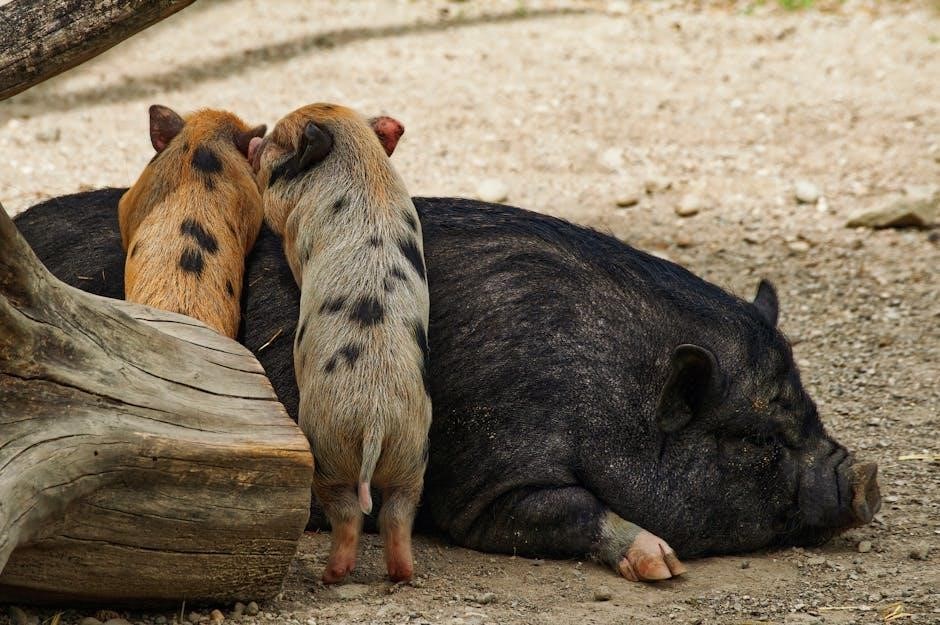
Utilizing a “Three Little Pigs” PDF provides a fantastic opportunity to introduce young learners to basic concepts of building and the properties of different materials․ The story vividly contrasts straw, sticks, and bricks, allowing children to visually and narratively understand why some materials are stronger than others․
Discussions can center around the durability of each material – why straw collapses easily, sticks offer moderate resistance, and bricks provide substantial protection․ Educators can extend this learning by incorporating hands-on activities, such as building miniature houses with various materials like blocks, LEGOs, or even natural items collected outdoors․
This practical application reinforces the story’s lesson, demonstrating the importance of choosing strong and reliable materials for construction․ Furthermore, it subtly introduces the idea of structural engineering and the need for careful planning in building projects, making learning both engaging and educational․
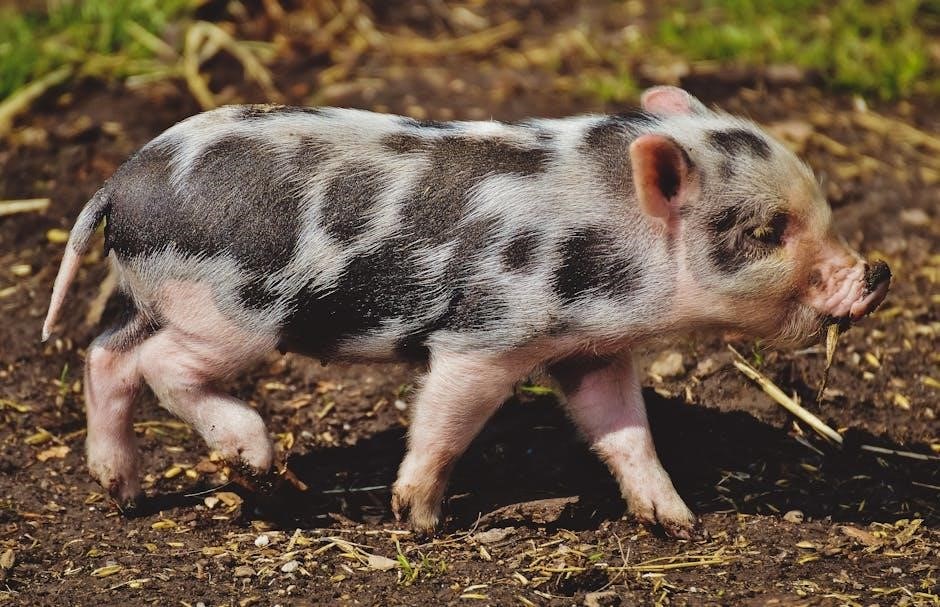
Promoting Problem-Solving Skills
The narrative of “The Three Little Pigs,” readily accessible through a PDF version, inherently encourages the development of problem-solving skills in children․ Each pig faces the same challenge – avoiding the wolf – but employs different strategies with varying degrees of success․
This presents a clear illustration of how choices and actions have consequences․ Educators can prompt children to analyze why the first two pigs’ solutions were ineffective and what the third pig did differently to overcome the obstacle․ Discussions can focus on identifying the wolf as the problem and brainstorming alternative solutions beyond simply building a stronger house․
Activities like “What if?” scenarios – “What if the wolf had a ladder?” or “What if the pigs had worked together?” – further stimulate critical thinking and creative problem-solving․ The story provides a safe and engaging context for children to practice these essential skills․
Using the Story for Language Development
A PDF version of “The Three Little Pigs” serves as an excellent tool for fostering language development in young children․ The repetitive phrases – “Little pigs, little pigs, let me come in!” and “Not by the hairs on our chinny-chin-chins!” – provide opportunities for choral reading and memorization, enhancing fluency and pronunciation․
The story’s simple yet engaging plot facilitates comprehension exercises․ Educators can ask questions about the characters, setting, and events to assess understanding․ Furthermore, the narrative lends itself well to story retelling activities, encouraging children to sequence events and use descriptive language․
Expanding on this, the tale offers a rich vocabulary base․ Words like “straw,” “sticks,” “bricks,” and “chimney” can be introduced and reinforced through visual aids and contextual examples․ The PDF format allows for easy highlighting and annotation of key vocabulary terms, supporting language acquisition․
Vocabulary Building with “The Three Little Pigs”
Utilizing a “Three Little Pigs” PDF provides a fantastic platform for targeted vocabulary expansion․ Key terms like “straw,” “sticks,” and “bricks” introduce children to different building materials and their properties, fostering descriptive language skills․ The wolf’s characteristics – “toothy,” “fierce” – can broaden adjective recognition․
The PDF format allows for interactive vocabulary exercises․ Words can be highlighted, defined within the document, or used in sentence-building activities․ Educators can create worksheets focusing on synonyms and antonyms related to the story’s core vocabulary, such as “strong” versus “weak․”
Furthermore, the repetitive nature of phrases like “chinny-chin-chins” encourages phonetic awareness and word recognition․ Visual aids accompanying the PDF – illustrations of the houses and characters – reinforce the connection between words and their meanings, solidifying vocabulary retention․
Story Retelling and Comprehension Exercises
A “Three Little Pigs” PDF lends itself beautifully to story retelling activities, crucial for developing narrative skills․ After reading, encourage children to recount the events in their own words, focusing on the sequence of building, the wolf’s attempts, and the ultimate outcome․ This reinforces comprehension and memory․
Comprehension exercises can be integrated directly with the PDF․ Questions like “Why did the first pig choose straw?” or “What made the brick house so safe?” assess understanding of the story’s themes and character motivations․ Fill-in-the-blank exercises using key plot points are also effective․
Beyond simple recall, encourage critical thinking․ Ask “What could the first two pigs have done differently?” or “What lesson did the pigs learn?” These prompts foster analytical skills and promote deeper engagement with the moral of the story, enhancing overall literacy․
Different Adaptations of the Story
Many versions exist, from beautifully illustrated children’s books to engaging animated films, and even modern retellings, all stemming from the original story․
Illustrated Children’s Books
The world of “The Three Little Pigs” truly blossoms within the pages of illustrated children’s books․ These editions often feature vibrant artwork that brings the characters and their homes to life, captivating young readers․ Many publishers have released their own interpretations, each with a unique artistic style – from classic, traditional illustrations to more modern and whimsical designs․
These books aren’t simply about presenting the narrative; they enhance the storytelling experience․ Detailed depictions of the straw house, stick house, and brick house allow children to visually understand the differences in construction and durability․ Furthermore, the illustrations often emphasize the wolf’s menacing presence and the pigs’ varying levels of diligence․ Well-Loved Tales series provides enduring enjoyment for generations, with younger children loving read-alouds and older ones enjoying independent reading․ Finding a beautifully illustrated edition can truly spark a child’s imagination and foster a lifelong love of reading․
Animated Film and Television Versions
The enduring popularity of “The Three Little Pigs” has led to numerous adaptations in animated film and television․ Disney’s 1933 Silly Symphony cartoon, “Three Little Pigs,” is arguably the most iconic, winning an Academy Award and introducing the memorable song “Who’s Afraid of the Big Bad Wolf?” This version significantly shaped the public’s perception of the story and characters․
Beyond Disney, various television shows and direct-to-video releases have revisited the tale, often with updated animation styles and comedic twists; These adaptations frequently expand upon the original narrative, adding new characters or exploring different themes․ Some versions may focus on the importance of teamwork, while others emphasize the consequences of laziness․ Accessing these animated versions, often available digitally, provides a dynamic and engaging way to experience the classic story, complementing PDF versions and illustrated books․ These adaptations continue to entertain and educate new audiences․
Modern Retellings and Variations
Contemporary authors and illustrators have reimagined “The Three Little Pigs” for modern audiences, offering fresh perspectives on the classic tale․ These retellings often subvert traditional tropes, presenting the wolf as misunderstood or exploring the pigs’ motivations in greater depth․ Some versions focus on architectural design, detailing the engineering principles behind each house, while others incorporate themes of sustainability and eco-friendly building practices․
Digital platforms have facilitated the creation and distribution of these variations, with many available as downloadable PDFs or interactive ebooks․ These modern adaptations frequently include diverse characters and settings, broadening the story’s appeal and relevance․ Furthermore, some retellings offer alternative endings, challenging the traditional “happily ever after” and prompting discussions about conflict resolution․ Exploring these variations alongside the original PDF versions provides a rich understanding of the story’s adaptability and enduring cultural significance․
The Story’s Cultural Impact
“The Three Little Pigs” remains a beloved tale, deeply embedded in popular culture and consistently shared through various PDF formats and adaptations․
The Three Little Pigs in Popular Culture
The enduring appeal of “The Three Little Pigs” has cemented its place within popular culture, extending far beyond its origins as a simple folktale․ The story frequently appears in children’s media, often referenced or parodied in cartoons, television shows, and films․ Many readily available PDF versions of the story contribute to its continued dissemination․
Its themes of hard work, planning, and the consequences of laziness resonate with audiences of all ages, making it a frequently used example in educational settings․ The characters themselves – the industrious third pig and the menacing wolf – have become iconic figures, instantly recognizable even outside the context of the original narrative․
Furthermore, the story has inspired countless adaptations and reinterpretations, demonstrating its adaptability and lasting relevance․ From illustrated books to animated shorts, “The Three Little Pigs” continues to captivate and entertain, solidifying its status as a timeless classic, easily found in digital PDF formats․
The Story’s Enduring Appeal to Children
“The Three Little Pigs” consistently captivates young audiences due to its simple yet compelling narrative structure and easily relatable themes․ Children readily grasp the concept of building and the importance of making wise choices, lessons vividly illustrated through the pigs’ differing approaches․ The readily available PDF versions enhance accessibility for shared reading experiences․
The presence of a clear antagonist – the wolf – provides a thrilling element of suspense, while the ultimate triumph of the third pig offers a satisfying resolution․ This reinforces the idea that diligence and foresight are rewarded․ The repetitive phrases, like “Not by the hairs on our chinny-chin-chins!” are memorable and engaging for young listeners․
Moreover, the story’s inherent moral – the value of hard work – is presented in an accessible and entertaining manner, making it a valuable tool for character development․ The availability of the story in PDF format allows for repeated readings, further solidifying these important lessons for children․
Variations Across Different Cultures
While the core narrative of “The Three Little Pigs” remains consistent, cultural adaptations reveal fascinating nuances․ In some versions, the wolf employs trickery rather than brute force, highlighting different societal anxieties․ Certain retellings emphasize community cooperation, with the pigs assisting each other, diverging from the individualistic focus of the original․
PDF versions of these diverse adaptations offer a valuable comparative lens for understanding cultural values․ For instance, some European iterations feature different building materials reflecting local resources․ Indigenous communities may incorporate animal characters and moral lessons specific to their traditions․ These variations demonstrate the story’s adaptability․
Accessing these culturally specific PDFs broadens children’s perspectives and fosters appreciation for global storytelling․ Examining these differences encourages critical thinking about how narratives are shaped by cultural context, enriching the reading experience beyond a simple moral tale․ The story’s enduring themes resonate universally, despite localized changes․